


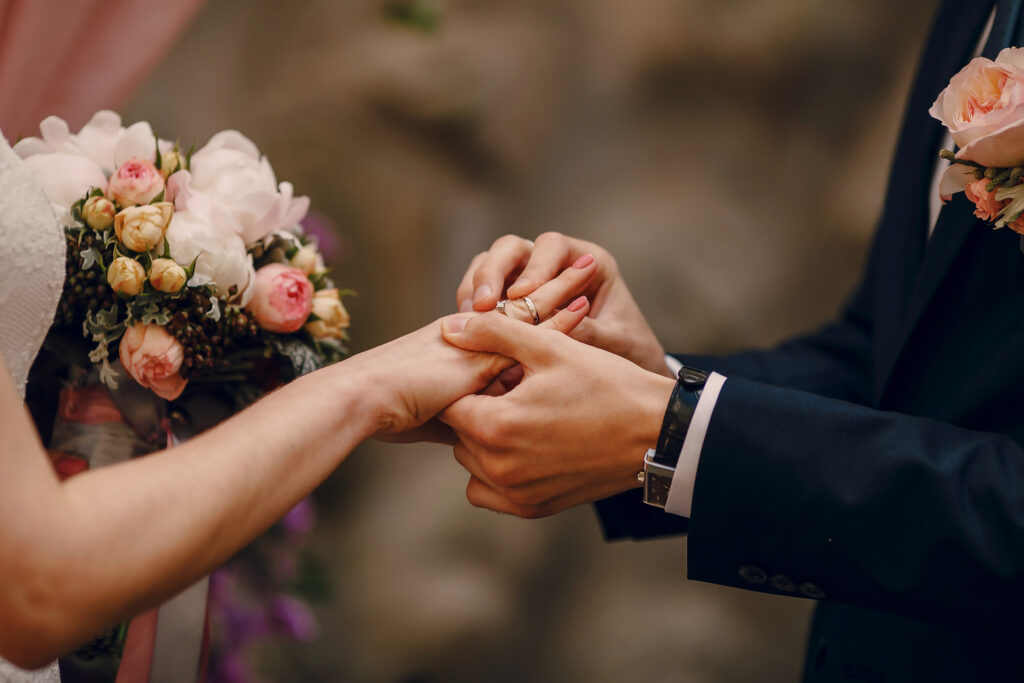
The marriage catechumenate is not merely a series of recommendations for couples to live their marriage well, but a formation that offers essential elements for the discernment of the vocation to Marriage. Its purpose is compromised when it takes place too close to the wedding; ideally, it should precede the engagement (according to paragraphs 24 and 48 of Catechumenal Pathways for Married Life – CPML), as I have emphasized in several articles based on the Magisterium’s recommendations.
Ideally, couples in mature dating relationships should be drawn to this catechumenate in advance, recognizing it as support for their final decision. This includes also those cohabiting couples who desire to marry.
For this to become a reality, the entire parish must be familiar with how this catechumenate is carried out, since it concerns everyone. Among the many pastoral activities, “preparation for Marriage is of prime importance” (CCC 1632). To that end, a broad and continuous effort of communication is required, so that it does not frequently happen that engaged couples only become aware of the requirement to participate in this catechumenate (in the PSML) when they approach the parish to begin the marriage preparation process, which would be most unfortunate.
Among the initiatives to promote awareness of the catechumenate, the involvement of the parish priests comes first. They can frequently offer brief words of encouragement and explanation to motivate couples. Additionally, they may personally invite couples they meet, which often yields excellent results. Next comes the parish communication effort, which may take many forms in a regular flow of information: parish announcements, flyers distributed to movements and pastoral groups, or handed out at the church doors. Today, we can and should make use of the internet by posting on social media, parish and movement websites etc. And no less important is word-of-mouth promotion by couples who have already taken part in the catechumenate as well as active invitations extended by all marriage catechists when they encounter couples in their daily lives.
However, even in the most active and well-organized parishes in this regard, some couples will still arrive late, already with a wedding scheduled and little advance notice. What should be done?
There is only one answer: welcome them! No sheep can be left behind. Still, we must be careful. This cannot be a pastoral care held merely as a formality within the marriage preparation process.
It is uncommon for a parish to accept beginning the matrimonial documentation process with less than three months’ notice. Within such a short timeframe, the primary objective of the marriage catechumenate, namely, the discernment regarding Marriage, cannot properly be achieved, since a couple that already has a wedding date, in general, has already made their decision. I say “in general” because I have heard some reports of couples who decided not to marry after taking part in the marriage catechumenate, even just a few weeks before the scheduled wedding.
Nevertheless, the formative moments (the thematic sessions) should and can still take place, even if in a more condensed rhythm, possibly with more than one meeting per week. Yet such a rhythm should remain highly exceptional! It may require greater effort from the parish team, but this is indeed a mission (demanding, to be sure, but every mission is demanding) to help ensure that the couples marry with full awareness of what Marriage entails, making true promises and avoiding future declarations of nullity.
In three months, there will not be enough time for the experiential aspects of the catechesis, that is, the pastoral accompaniment that helps couples become inserted into ecclesial life even beyond the formal sessions. However, after the wedding, the catechists (as well as the other couples who accompany them) can and should invite them to parish activities, celebrations, retreats, Eucharistic adoration, courses, and additional thematic meetings on the lived experience of Marriage.
Even when there is little time available for the Marriage Catechumenate, we must not fall into the temptation of offering a weekend gathering just to fulfill a requirement, which, as Pope Francis warns, would mean “pretending to prepare” them. The parish, through the catechist couples, should offer a deeper reflection on the step the couple is about to take and present a correct understanding of Marriage.
I repeat: the parish must carry out an ongoing effort to inform and raise awareness so that these last-minute cases are reduced to a minimum and do not become the norm. Any exceptional accommodations should be evaluated together with the parish priest. In certain cases, it may even be appropriate to advise the couple to consider postponing the wedding in order to allow for more adequate discernment.
